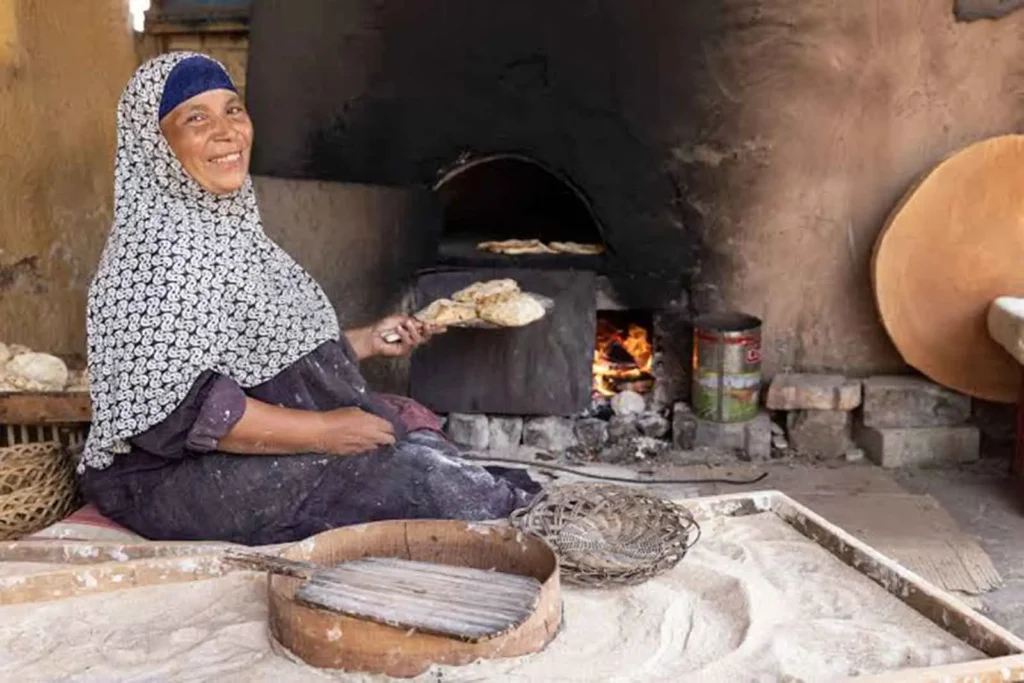
The Flavors of Egypt
Introduction – An Ancient Legacy on the Table
Taste the History: Food as Living Heritage
In Egypt, every meal tells a story that stretches back thousands of years. Traditional Egyptian cuisine is not just about sustenance; it is a direct continuation of ancient dietary traditions, blending local ingredients, aromatic spices, and generational cooking techniques passed down along the Nile.
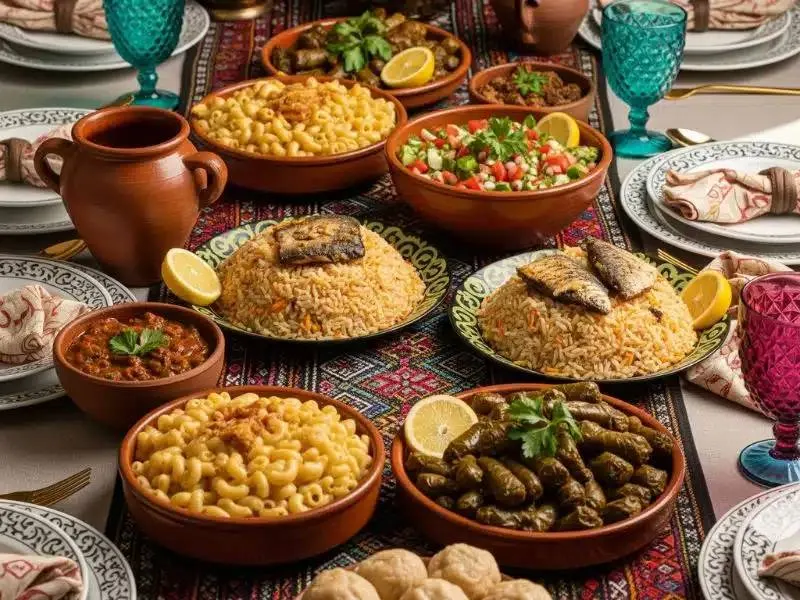
Ancient Roots: Sun-Fermented Bread & Sham El-Nessim Traditions
Timeless Staples: Sun-Fermented Bread and Seasonal Delicacies
Discover culinary traditions preserved since the time of the pharaohs. From Eish Shamsi—where the dough is placed under the warm sun to complete its natural fermentation process before baking—to Feseekh (salted fish), which Egyptians still enjoy during Sham El-Nessim, the ancient Spring Festival passed down directly from Pharaonic times, these flavors keep an unbroken generational bond alive.
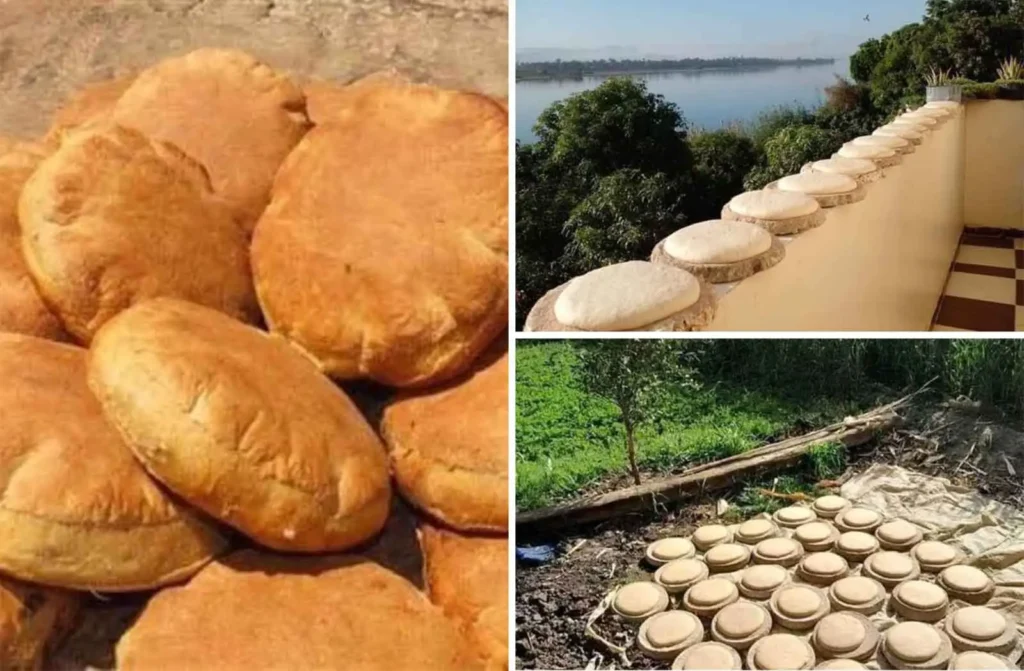
Iconic Comforts: Ful, Taameya, and Street Flavors
Iconic Classics: Ful Mudammas and Taameya
The daily rhythm of Egyptian life starts with staples deeply rooted in history. From slow-cooked Ful Mudammas (fava beans) to crispy Egyptian Taameya (falafel made from split fava beans, unique to Egypt), these beloved dishes offer an energetic, flavorful taste of authentic local life.
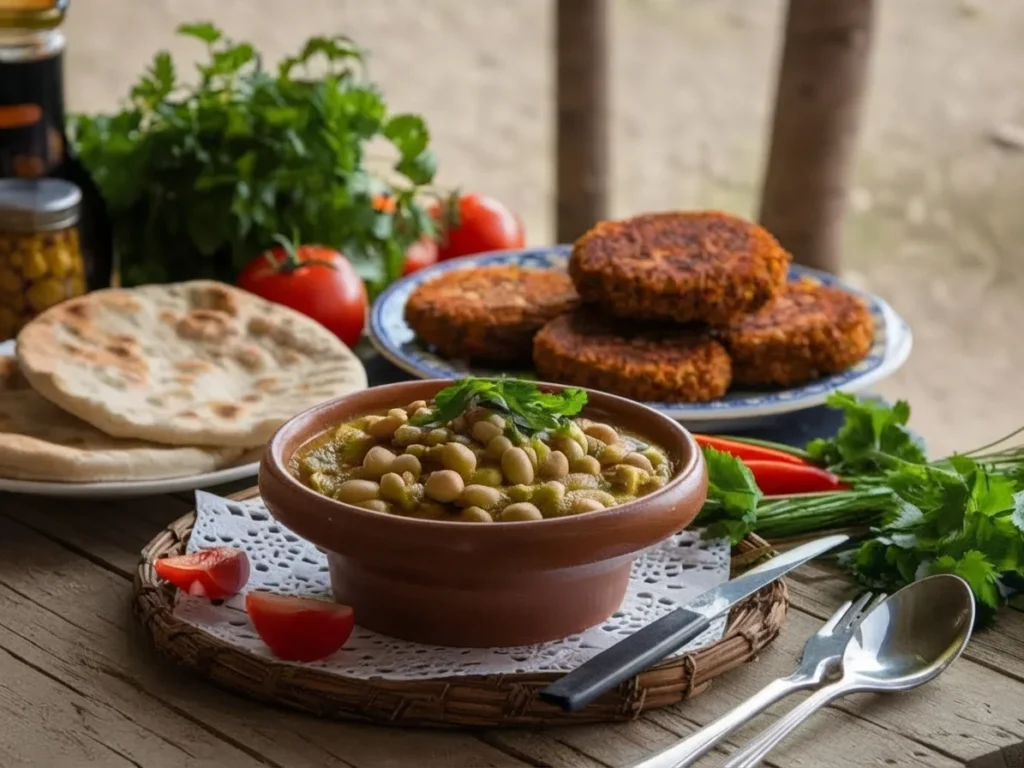
Regional Diversity: From the Delta to Upper Egypt
Regional Flavors: Delta vs. Upper Egypt
Egypt’s cuisine varies wonderfully by region. While the lush Nile Delta features distinct local specialties, methods, and grain preparations, Upper Egypt boasts its own robust culinary identity—featuring wood-fired ovens, rich spices, and distinct local breads that reflect the unique landscape and culture of each region.